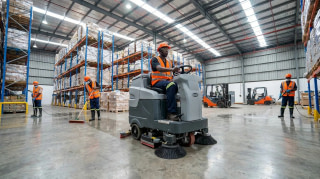
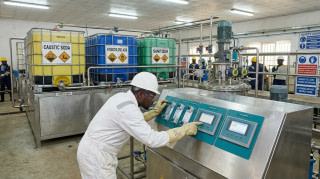
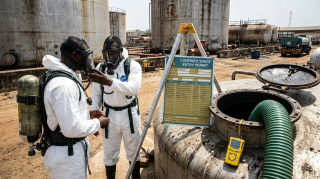
Hiring an industrial cleaning company is a business decision, not a commodity purchase. On a manufacturing or processing site, the wrong contractor can trigger accidents, contaminate products or leave you legally exposed, while the right one protects safety, compliance and uptime. This guide walks through the criteria, the documents to verify and a practical process to choose the best partner for your plant.
Key takeaways
- The right cleaning partner protects safety, compliance and uptime; the wrong one is a liability.
- Judge providers on sector experience, safety record, certifications, insurance and equipment.
- Verify certifications against the issuing body: a logo or "membership" is not proof.
- Always require insurance (naming your site) and, where relevant, a bond.
- Match the provider to your site type, whether food, oil and gas, power or general manufacturing.
Why choosing the right cleaning partner matters
On a manufacturing or processing site, cleaning is not a cosmetic add-on. It affects worker safety, equipment uptime, product quality and your ability to pass audits. A weak contractor can cause accidents, contaminate products, damage machinery or leave you exposed to liability. A strong one keeps the plant safe, compliant and running.
That is why selecting an industrial cleaning company deserves the same rigour as any critical supplier. This guide builds on our complete guide to industrial cleaning and the services manufacturers should expect .
The criteria that really matter
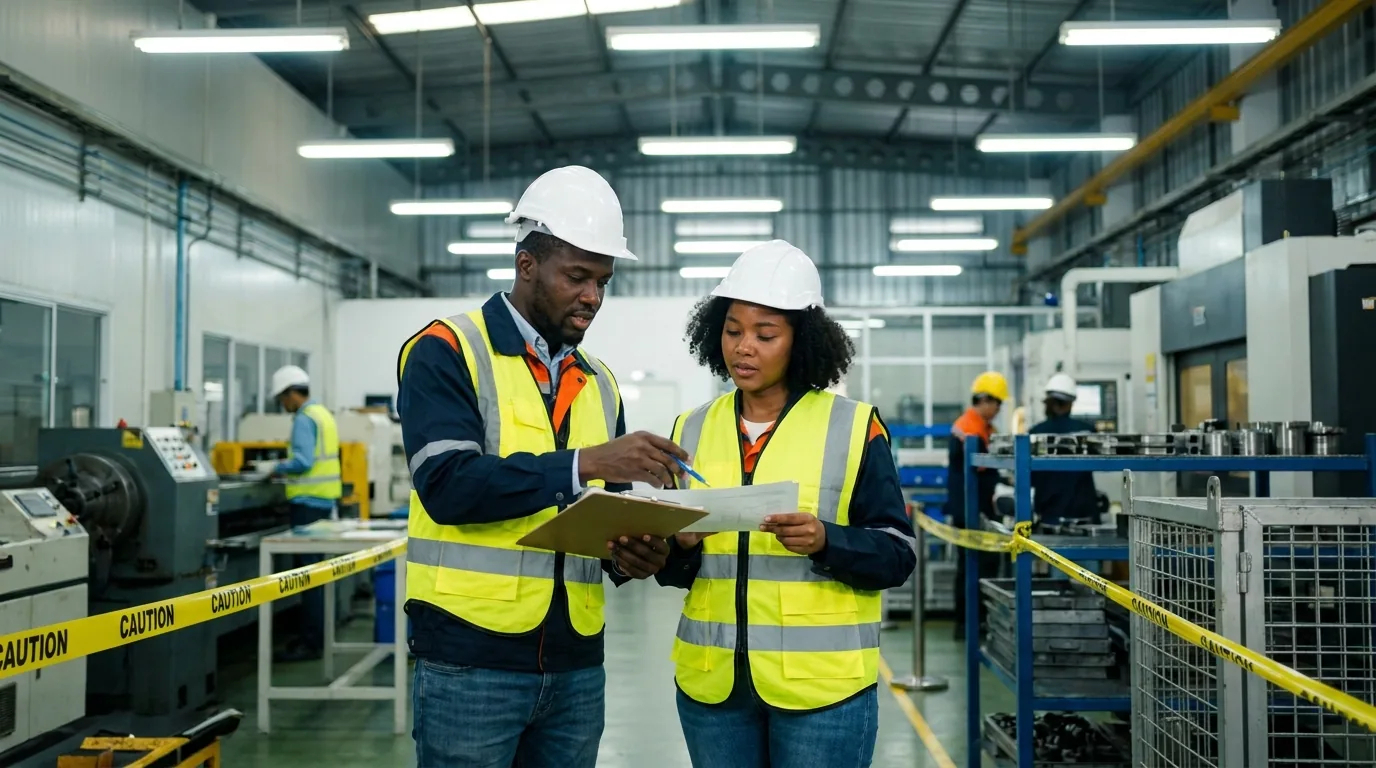
Assess each provider against clear criteria before signing anything.
Look beyond the sales pitch and weigh these fundamentals:
-
Relevant experience: proven work on similar sites, with references you can call.
-
Safety record: documented protocols, incident history and trained supervisors.
-
Certifications: recognised standards such as OSHA training, ISSA CIMS, GBAC STAR or Green Seal.
-
Insurance and bonding: liability cover, workers' compensation and a bond against damage or theft.
-
Equipment and methods: the right machines and the correct techniques for your contaminants.
-
Trained, insured staff: PPE, chemical handling and confined-space competence where needed.
A provider that scores well on all of these is far more likely to deliver safely and consistently.
Certifications, insurance and documents to verify
Claims are easy to make, so ask for proof and check it. Before hiring, request and verify:
| Document |
What it proves |
How to check |
| Certifications (OSHA, ISSA CIMS, GBAC) |
Audited competency and standards |
Verify against the issuer's registry |
| Certificate of Insurance |
Liability and workers' cover |
Ask to be named as additional insured |
| Surety bond |
Protection against damage or theft |
Request the bond paperwork |
| Safety Data Sheets and HazCom |
Safe chemical handling |
Review the SDS binder and program |
| PPE and training records |
Competent, protected staff |
Check per-employee documentation |
Beware of red flags: a logo on a website is not proof, and "ISSA member" (paid membership) is not the same as "ISSA CIMS-certified" (audited). Always confirm with the issuing body.
Matching the provider to your site
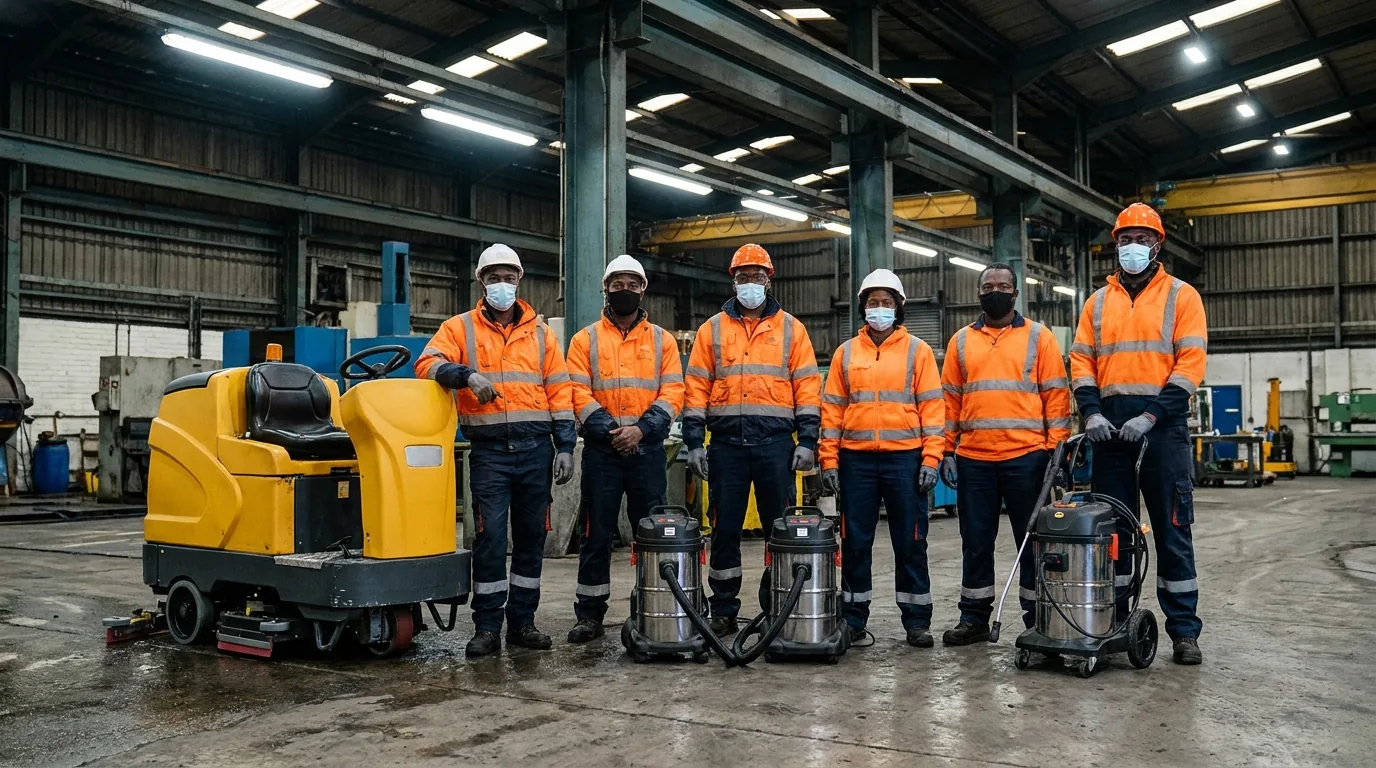
The right provider brings the equipment and skills your specific site demands.
Different sites need different expertise. A general cleaner is not the right choice for a high-risk plant:
-
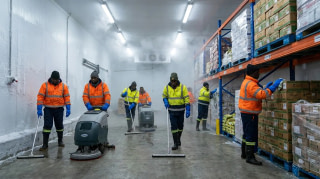
Food and beverage: strict hygiene and HACCP knowledge, as in our guide to food industry cleaning .
-
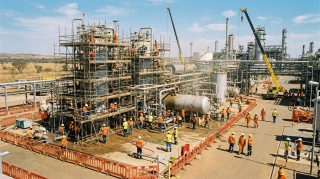
Oil and gas: confined-space and hazardous-material certification, covered in oil and gas facility cleaning .
-
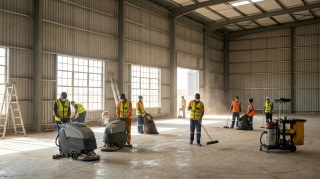
General manufacturing: floor care, machinery cleaning and flexible scheduling.
Confirm the provider has real, referenced experience in your specific sector, not just "industrial cleaning" in general.
A practical selection process
To turn criteria into a decision, follow a simple process:
-
Shortlist providers with relevant sector experience and references.
-
Invite site visits so each can assess your facility and propose a scope.
-
Compare detailed quotes on scope, schedule and deliverables, not just price.
-
Verify documents: certifications, insurance, bonding and safety records.
-
Check references and, ideally, visit a site they already service.
This disciplined approach protects you from cheap bids that hide gaps, and helps you find a partner that fits your plant for the long term.
Frequently asked questions
What should I look for in an industrial cleaning company?
Relevant sector experience, a strong safety record, recognised certifications, proper insurance and bonding, the right equipment, and trained, insured staff. References you can verify are essential.
Which certifications matter for industrial cleaning?
Depending on the site, look for OSHA training, ISSA CIMS, GBAC STAR, Green Seal and HazCom competence. Always verify each claim against the issuing body's registry rather than trusting logos.
Why is insurance so important?
Insurance covers liability and workers' compensation, while a bond protects against damage or theft. Ask for a current Certificate of Insurance naming your facility as additional insured before work begins.
Should I choose the cheapest provider?
No. A very low bid often hides missing certifications, poor safety or an incomplete scope. Compare value, safety and reliability, not price alone.
How do I match a provider to my site?
Choose a company with referenced experience in your specific sector, food, oil and gas, power or general manufacturing, and the equipment and certifications that your contaminants and risks require.
Sources