The last contractor has left, but the new factory, warehouse or commercial building is far from ready. Cement dust, debris, paint splatter and packaging cover every surface. Post-construction industrial cleaning is the crucial final step that turns a finished shell into a safe, usable, move-in-ready site. Here is how it works, phase by phase, and what to expect from a professional crew.
Key takeaways
- A newly built site is full of dust, debris and residues, and is never ready to use as-is.
- Post-construction cleaning runs in three phases: rough clean, detail clean and final clean.
- Industrial sites add challenges: large areas, high-level dust and heavy debris.
- HEPA vacuums, PPE and documented checklists are essential for a compliant handover.
- A specialised contractor delivers a safe, move-in-ready facility on schedule.
Why post-construction cleaning is essential
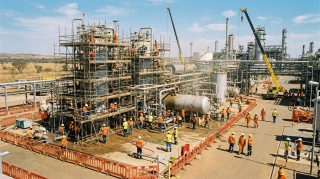
When the builders leave, the work is not done. A new factory, warehouse or commercial building is coated in cement dust, plaster, paint splatter, adhesive, packaging and debris. This is not just untidy: fine dust clogs equipment and ventilation, sharp debris is a hazard, and no client wants to take over a dirty site.
Post-construction cleaning turns a finished shell into a usable, safe facility. It is a specialised branch of industrial cleaning , and a critical final step before handover, covered in our complete guide to industrial cleaning .
The three phases of post-construction cleaning
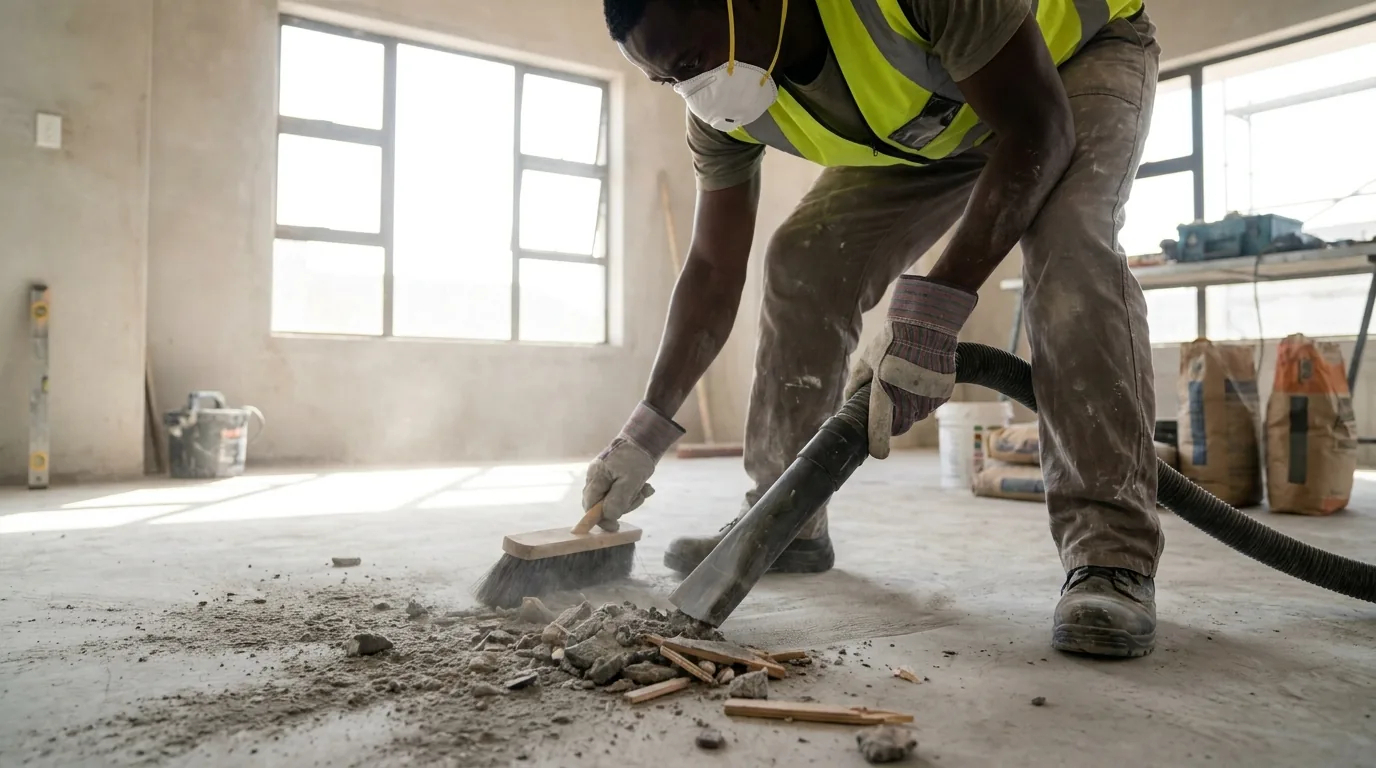
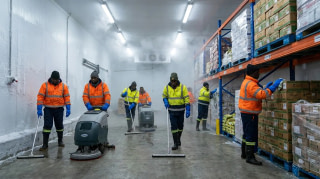
The rough clean removes the biggest mess: debris, dust and leftover materials.
Professionals work in three clear phases, so nothing is missed:
| Phase |
Focus |
Typical tasks |
| Rough clean |
Remove the biggest mess |
Debris removal, sweeping, vacuuming |
| Detail clean |
Surfaces and fixtures |
Dusting, floor care, glass, fittings |
| Final clean |
Move-in ready |
Polishing, touch-ups, walk-through |
The rough clean happens once main works are finished but before final finishes, clearing walkways for inspection. The detail and final cleans then bring the space up to a professional handover standard.
Industrial and commercial specifics
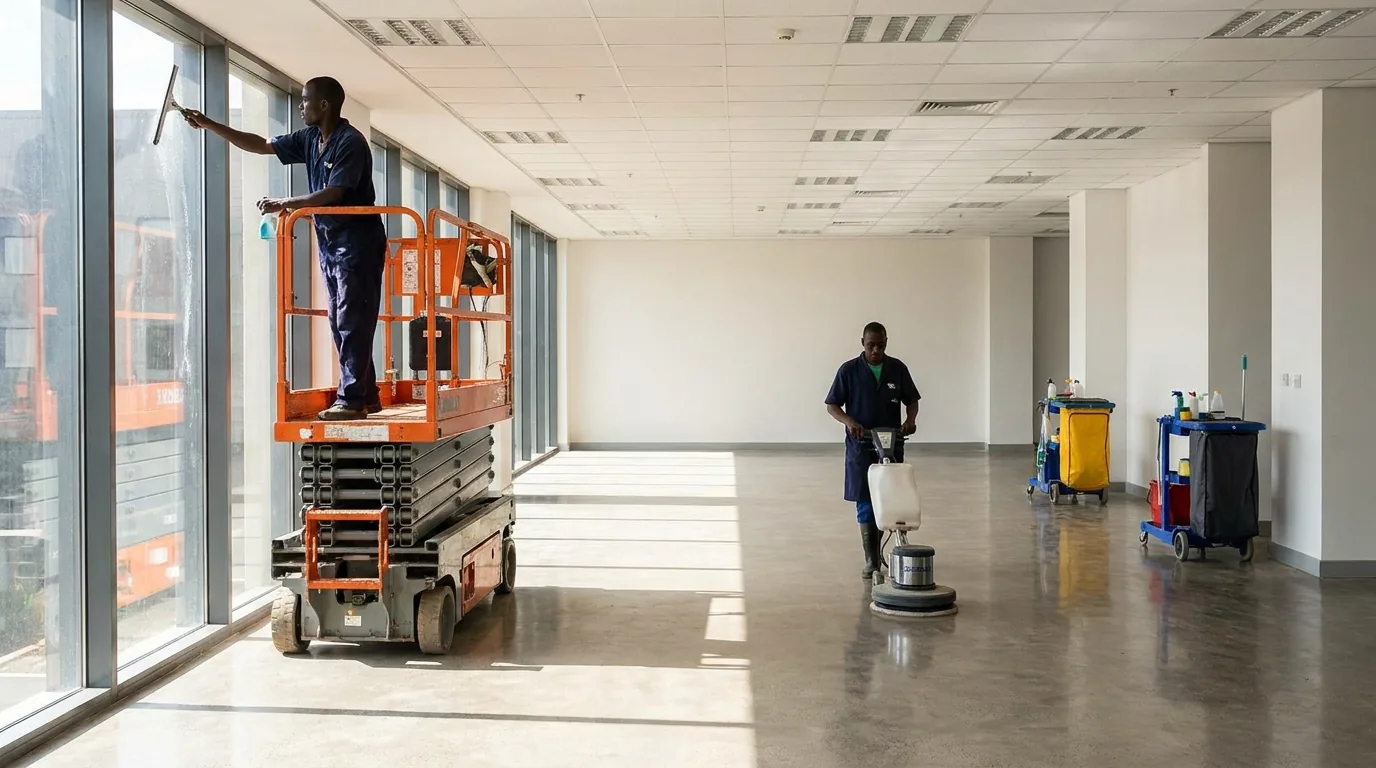
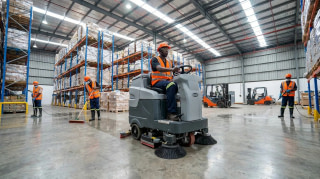
The final clean leaves windows, floors and surfaces spotless and ready for handover.
Cleaning a new office is one thing; a new industrial site is another. Factories and warehouses bring extra demands:
-
Large floor areas: new concrete slabs need scrubbing and often a first seal. See our guide to industrial floor cleaning and degreasing .
-
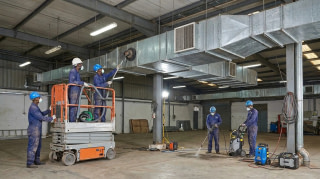
High-level dust: racking, beams and ductwork must be cleaned before operations start.
-
Heavy debris: offcuts, packaging and pallets from fit-out and machinery installation.
-
Equipment areas: careful cleaning around newly installed machinery and services.
The result feeds straight into ongoing programmes such as warehouse cleaning and factory cleaning , which keep the site clean once it is operational.
Dust control, safety and documentation
Post-construction environments are dusty and hazardous, so professionals follow strict practices:
-
HEPA-filtered vacuums: to capture fine construction dust rather than spread it.
-
PPE: dust masks, gloves and eye protection for the crew.
-
Safe debris disposal: sorted and removed through proper waste channels.
-
Documentation: completed checklists, photo logs and a supervisor sign-off to prove the site is ready.
This paperwork matters: it satisfies contractors, inspectors and clients that the handover meets the agreed standard.
Choosing the right cleaning partner
Post-construction cleaning is time-pressured and detail-heavy. A capable provider should offer:
-
Experience with industrial and commercial handovers, with references.
-
The right equipment: HEPA vacuums, scrubbers, high-level access and waste handling.
-
A phased plan aligned with the construction schedule and inspection dates.
-
Clear documentation and a final walk-through with the client.
Comparing several specialised contractors and agreeing the scope in writing is the surest way to a clean, on-time handover.
Frequently asked questions
What is post-construction cleaning?
It is the deep cleaning of a newly built or renovated site to remove construction dust, debris and residues, making the space safe and ready to use. It typically runs in three phases: rough, detail and final clean.
When should post-construction cleaning start?
The rough clean begins once the main construction is finished but before final finishes are installed. Detail and final cleaning follow as the site nears completion and handover.
Why use HEPA vacuums after construction?
Construction dust is very fine and can damage equipment, clog ventilation and harm health. HEPA-filtered vacuums capture these particles instead of recirculating them, which ordinary vacuums cannot do reliably.
How is an industrial site different from an office?
Industrial sites have far larger floor areas, high-level structures, heavier debris and newly installed machinery, requiring specialised equipment, floor treatment and careful cleaning around plant.
What documentation is provided at handover?
Typically completed cleaning checklists, photo logs of the finished work, waste-removal records and a supervisor sign-off, confirming the site meets the agreed move-in-ready standard.