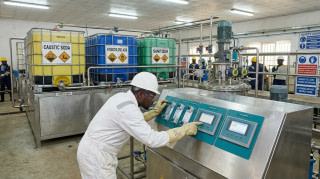
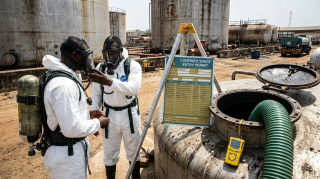
When a plant goes offline for a turnaround, the clock starts ticking. Every hour of downtime costs money, yet the window is the only chance to clean, inspect and repair equipment that cannot be touched during operation. Industrial cleaning is on the critical path of every shutdown. Here is how it works, why planning is everything, and how to choose a contractor that keeps your turnaround safe and on schedule.
Key takeaways
- A shutdown or turnaround is a planned outage to clean, inspect and repair what cannot be touched while running.
- Cleaning enables inspection and maintenance: hydroblasting, vacuuming, chemical cleaning, decoking and more.
- Turnarounds happen every few years and can last weeks, so every hour of downtime counts.
- Tight planning of scope, schedule and resources is what keeps a turnaround on time and on budget.
- Safety is the top priority, with large crews, confined spaces and strict permits.
What a plant shutdown or turnaround is
A turnaround, or shutdown, is a scheduled stop of a process unit or a whole plant to carry out work that is impossible during normal operation: inspections, decontamination, repairs, overhauls and upgrades. Because production stops, these events are planned in detail and executed as fast as safely possible.
Cleaning sits at the heart of every turnaround. Equipment must be decontaminated and cleaned before technicians can inspect or repair it. That makes shutdown cleaning a specialised, high-stakes branch of industrial cleaning , detailed alongside other methods in our complete guide to industrial cleaning .
Cleaning services during a turnaround
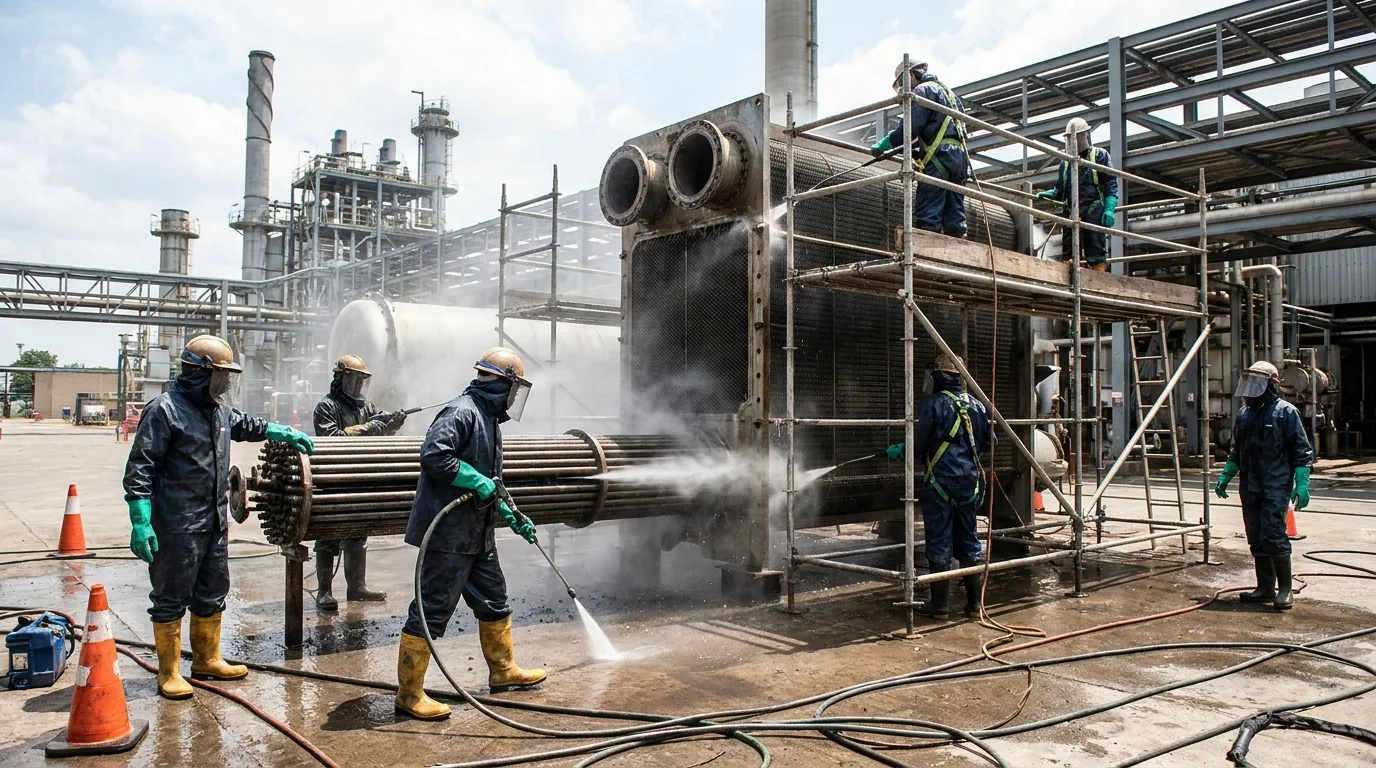
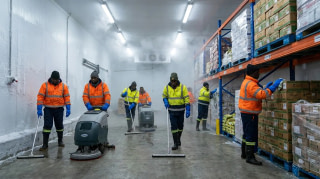
Heat exchangers, vessels and pipes are cleaned so they can be inspected and repaired.
A turnaround calls on a wide toolkit, often deployed around the clock:
-
Hydroblasting: high-pressure water strips scale and deposits from exchangers and pipes, as covered in our guide to high-pressure and hydroblasting cleaning .
-
Liquid and dry vacuuming: removing sludge, slurry and solids from tanks and vessels.
-
Chemical cleaning: dissolving hydrocarbons and scale in circuits and equipment.
-
Pipeline cleaning, pigging and decoking: clearing lines and removing hardened coke.
-
Dewatering and waste management: handling the residues safely and legally.
These services are common to oil and gas facilities and power plants , where turnarounds are a regular part of the maintenance cycle.
Why planning is everything
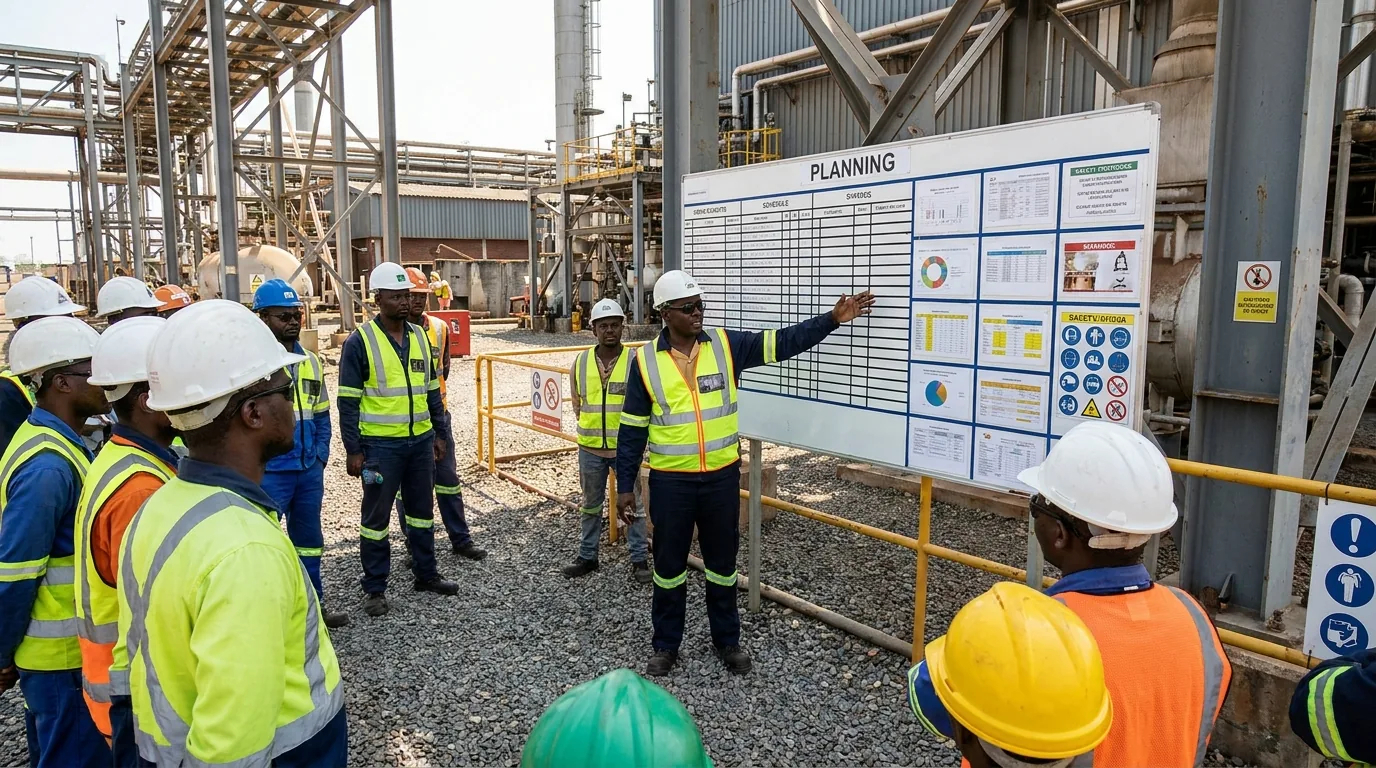
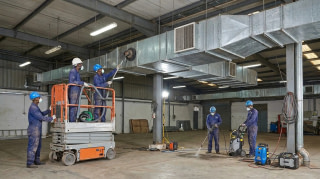
Detailed planning of scope, schedule and resources keeps a turnaround on time and on budget.
Turnarounds are among the most complex projects a plant runs. Most units are turned around every three to six years, and a full-plant shutdown can last thirty to sixty days. With production halted, every extra hour is lost revenue, so the goal is always to return to normal operation on time and on budget.
Good planning covers the scope of cleaning and maintenance, the sequence of tasks, the crews and equipment needed, and the procedures to follow. Cleaning contractors work in tight coordination with inspection and maintenance teams so that each asset is cleaned exactly when it is needed, not before or after.
Safety at scale
The number one consideration in any turnaround is safety. Large shutdowns can mobilise hundreds or thousands of workers on a congested site, often entering tanks, vessels and other confined spaces filled with hazardous residues.
-
Permits and isolation: lockout/tagout and work permits before any task.
-
Gas testing and ventilation: confirming safe atmospheres before entry.
-
PPE and training: the right equipment and competence for every crew member.
-
Confined-space protocols: as detailed in our article on tank and confined-space cleaning .
A single lapse can cause a serious incident, which is why certified crews and strict procedures are non-negotiable.
Choosing a turnaround cleaning contractor
Turnaround cleaning is not routine work. When selecting a provider, verify:
| Criterion |
Why it matters |
| Turnaround experience |
Speed and reliability under downtime pressure |
| Full method range |
Hydroblasting, vacuum, chemical, decoking in one team |
| Safety and certifications |
Confined-space and hazardous-material competence |
| Scalable manpower |
Enough trained crews for the peak workload |
| Waste management |
Compliant handling of hazardous residues |
A contractor that plans well, works safely and scales fast will help you finish the turnaround on schedule and extend the life of your equipment until the next one.
Frequently asked questions
What is a plant turnaround?
It is a scheduled shutdown, partial or full, of a plant to perform inspections, cleaning, repairs and upgrades that cannot be done while the plant is running. The aim is to restore reliable operation safely, on time and on budget.
Why is cleaning important during a shutdown?
Equipment must be decontaminated and cleaned before it can be inspected or repaired. Shutdown cleaning is therefore the gateway to the rest of the maintenance work, and it sits on the critical path of the schedule.
How often do turnarounds happen?
Most units are turned around every three to six years, depending on the equipment, regulations and reliability goals. Full-plant shutdowns can last thirty to sixty days.
What cleaning methods are used during turnarounds?
Hydroblasting, liquid and dry vacuuming, chemical cleaning, pipeline cleaning, pigging, decoking and dewatering are all common, chosen according to the equipment and residues involved.
Why is safety so critical in turnarounds?
Turnarounds crowd many workers onto a site and involve confined spaces and hazardous residues. Permits, gas testing, PPE and certified crews are essential to prevent serious incidents.